Last updated: September 7, 2026
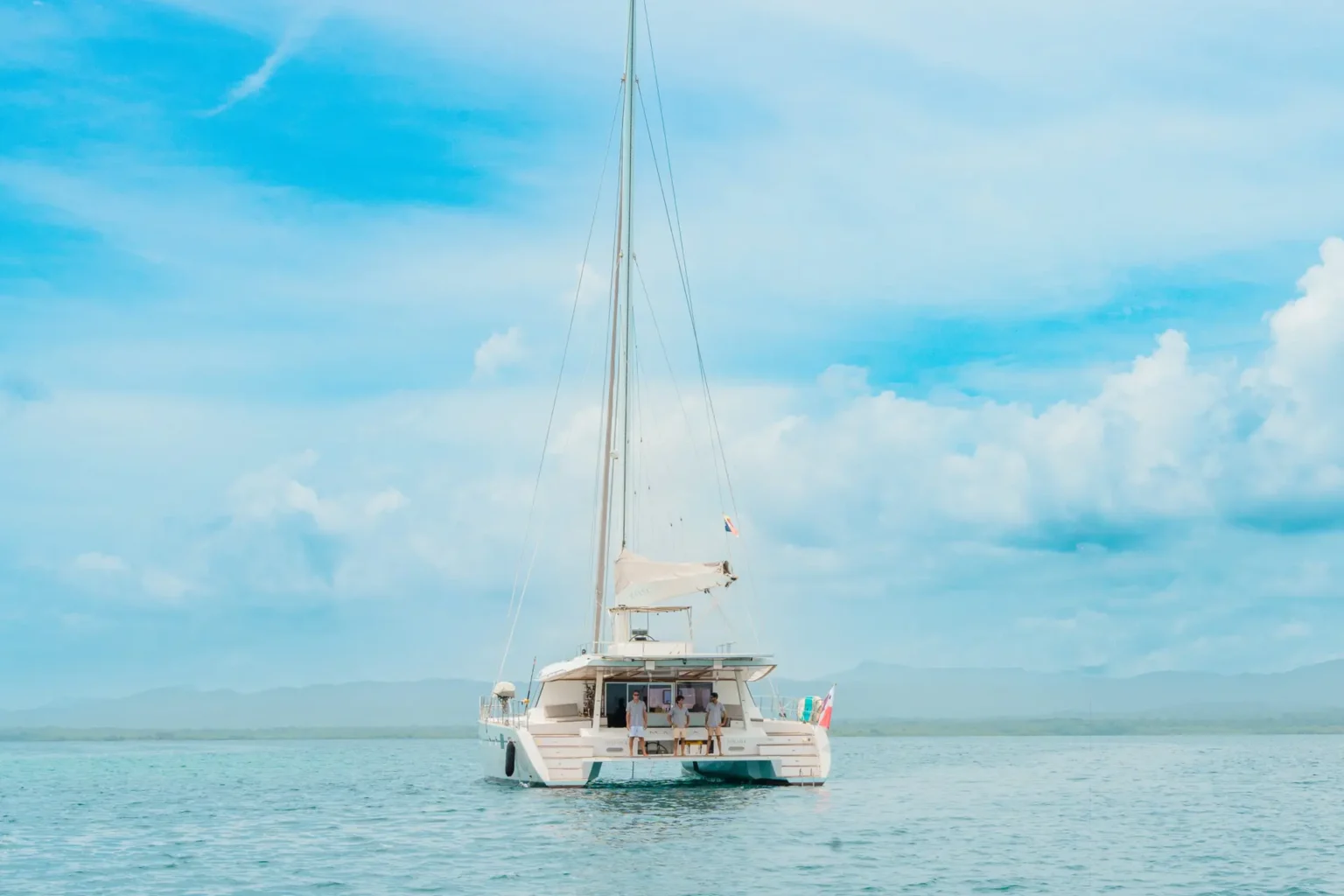
San Blas in Green Season: Why May to November Is the Locals’ Favourite Time to Sail
Most travel guides will tell you the same thing about San Blas: book between December and April. That is the dry season, the high season, and the time when nearly every catamaran in the archipelago is reserved months in advance. It is also when prices peak, when arriving at the popular anchorages means sharing them, and when finding the right boat for your dates becomes a scramble.
There is another way to experience San Blas, and the people who live here know it well. Between May and November the islands enter their green season, and for many sailors it is the quiet favourite of the year. The water is the same crystalline blue, the food and snorkeling are unchanged, and the all-inclusive experience runs exactly as it does in February. What changes is the feel of the place: lusher, calmer, less crowded, and more available.
This guide explains what green season actually means in San Blas, why so many returning travellers prefer it, and how to plan a trip during the months that get less press but often deliver more.
What “Green Season” Actually Means in San Blas
San Blas has two seasons. The dry season runs from roughly mid-December to late April. The green season runs from May to November. The names can be misleading because they suggest very different climates, but in San Blas the contrast is gentler than in many Caribbean destinations.
In green season you can expect:
- Bright, sunny mornings most days
- Short afternoon rain showers, usually 30 to 60 minutes
- Calmer trade winds, which means smoother sailing between anchorages
- Lush, vivid green vegetation on the inhabited islands and the mainland coast
- Water temperatures of 27 to 30 °C (80 to 86 °F), the same as the dry season
- Air temperatures in the high 20s to low 30s °C (mid 80s °F), the same as the dry season
What you do not get in San Blas during green season is the kind of weather that disrupts a trip. There are no all-day tropical storms, no flooded islands, and no closed routes. The archipelago sits south of the Caribbean hurricane belt and has not experienced a hurricane in modern history. Boats sail every week of the year.
Six Reasons Locals Choose Green Season
Ask any San Blas captain or local guide where they would take their own family on a sailing trip, and you will hear May, June, October, or November more often than you might expect. Here is why.
1. Calmer Seas
Trade winds soften in green season. The result is smoother passages between anchorages, less chop in open water, and easier boarding from dinghies. Travellers who get seasick or are sailing with younger children find this stretch of the year much more comfortable.
2. Lush, Vibrant Scenery
The mainland coast and the inhabited inner islands turn deep green from the rain. Photos taken in green season have a depth and saturation that dry-season photos simply do not. If you are travelling with a camera, you will notice the difference immediately.
3. More Wildlife Activity
Migratory birds pass through during the shoulder months, fish are more active in the channels with cooler runoff from the mainland, and the reef ecosystems are at their most productive. Snorkeling visibility remains very good outside of the few hours after a heavy shower.
4. Easier Charter Availability
This is the practical reason most returning guests give. In dry season the most popular catamarans are reserved three to six months in advance. In green season you can often book the boat you actually want with a few weeks of notice. Tight travel dates? Specific cabin layout in mind? Hoping for a particular skipper or chef? Green season is when those choices open up.
5. No High-Season Surcharge
AMPA Tours applies a high-season surcharge of 20 percent during three windows: New Year (December 20 to January 10), Carnival (February 14 to 18), and Easter (March 20 to April 6). In green season these surcharges never apply. You pay the base rate, full stop.
6. A Quieter Archipelago
Some of San Blas’s most-photographed spots, such as the Cayos Holandeses or Isla Perro, can fill with day-tour boats during dry season. In green season those same anchorages are often shared by a single catamaran or two. The sense of having a remote Caribbean to yourself is much easier to come by.
What About the Rain?
This is the question every traveller asks, and it deserves a clear answer.
Rain in San Blas during green season does not behave like rain in temperate climates. It does not last all day, it does not soak everything for hours, and it rarely interrupts a planned activity. The typical pattern is a sunny morning, a build-up of clouds in the early afternoon, and a short downpour somewhere between 2 and 5 PM. The shower passes, the sun returns, and the islands look greener and brighter for it.
In practice, on a seven-day charter in green season you might experience three to five afternoon showers, each lasting under an hour. The other 95 percent of your trip is exactly what you imagined: blue water, white sand, sun, sailing.
What about hurricanes? San Blas is south of the Caribbean hurricane belt. The archipelago has not had a hurricane on record in modern history, and the National Hurricane Center does not include Panama in its forecast cone. This is the same reason cargo and cruise traffic continues year-round through the Panama Canal nearby.
What Stays Exactly the Same Year-Round
Many of the things travellers come to San Blas for do not change between the seasons.
- Water clarity in the open lagoons is excellent year-round. The famous turquoise of postcards is just as turquoise in July as in February.
- Snorkeling and reef diving run all year. Visibility on a typical green-season day is 15 to 25 metres, comparable to many Caribbean dive destinations at any time of year.
- All-inclusive food and drinks remain identical. Lobster, crab, fish, fresh fruit, and full bar service are part of every charter regardless of season.
- Guna culture and village visits continue uninterrupted. The communities live and work in San Blas every day of the year.
- Safety equipment, captains, cooks, and itineraries are unchanged. Your charter experience matches the dry-season version in every operational detail.
Best Months Within Green Season
Not every month in green season feels the same. Here is how locals tend to think about them.
May is one of the smoothest sailing months of the entire year. Trade winds drop noticeably, the islands are still recovering their green from the recent dry stretch, and demand from international travellers is at its lowest. A great month for first-time sailors, families, and anyone who prefers calm water.
June and July bring a touch more rain than May but very strong wildlife activity and lush vegetation. These are popular months for couples and small groups looking for a quiet, slow-paced sail.
August and September are the rainiest months on average, though “rainy” still means brief afternoon showers rather than washed-out days. Snorkeling and sailing remain excellent. Pricing and availability are at their most flexible.
October is a hidden gem. The volume of rain begins to ease, the trade winds start to return, and the seas remain calm. Charter prices are still well below the dry-season peak, and the archipelago is at its greenest.
November is widely regarded as the perfect transition month. The rains taper off, the trade winds rebuild, and high-season pricing has not yet kicked in. If you can travel in late November, you may catch the best balance of conditions and value of any month in the calendar.
Who Should Book Green Season vs Dry Season
A simple rule of thumb:
Choose green season (May to November) if you want the same destination at base rates, prefer calmer seas, are flexible on dates, want a wider choice of boats and crews, or do not mind a brief afternoon shower in exchange for a quieter archipelago.
Choose dry season (December to April) if you absolutely require the strongest trade winds for fast sailing, are travelling on fixed peak-holiday dates, or place the lowest possible chance of rain above all other considerations.
For most travellers the trade-off favours green season, especially anyone who values availability and a less crowded experience.
Ready to Sail San Blas in Green Season?
Booking a green-season charter with AMPA Tours is straightforward. Tell us your travel dates, the size of your group, and the kind of boat you have in mind, and we will send back availability, an itinerary, and a clear price within two hours.
Because green season has lower demand, you can typically lock in the boat you actually want with a few weeks’ notice rather than the three-to-six month lead times required in dry season. We can also be flexible on departure days, route, and charter length.
The fastest way to start is a quick message on WhatsApp. We will reply with options, pricing, and a recommended itinerary tailored to the months you are travelling.
Plan Your Green-Season Trip on WhatsApp
Frequently Asked Questions
Will my green-season charter actually run if it rains?
Yes. Charters run every week of the year. Rain in San Blas is brief and rarely interrupts the day. Captains plan around the showers and you continue sailing, snorkeling, and exploring as planned.
Are green-season prices significantly lower?
Base charter rates are the same year-round in our pricing. The savings come from two places: there is no 20 percent high-season surcharge in green season, and broader availability gives you access to boats and dates that are typically locked up in dry season at premium pricing. For multi-night charters this can translate to several hundred dollars in real-world savings.
Is the snorkeling still good in green season?
Yes. Visibility remains excellent in the open lagoons and reefs. The brief afternoon showers can briefly reduce clarity in shallow areas right after the rain, but the lagoons surrounding most popular anchorages clear quickly and snorkeling continues normally.
Should I worry about hurricanes?
No. San Blas is south of the Caribbean hurricane belt and has no recorded hurricane in modern history. This is one of the main reasons international sailors keep their boats in Panama during the Atlantic hurricane season.
What should I pack for green season specifically?
The same packing list as dry season, plus a light rain shell or quick-dry layer for the occasional afternoon shower. A dry bag for electronics, reef-safe sunscreen, and water shoes are useful in any season.
Can I combine a green-season sailing trip with other parts of Panama?
Yes. Green season is a great time to combine San Blas with a Panama City stop, an Embera village visit, or a Gamboa rainforest day. The interior rainforest is at its most vivid in these months, which makes the wildlife and waterfall tours particularly rewarding.