Last updated: October 18, 2026
San Blas Islands Snorkeling Guide: Best Spots & What to Expect
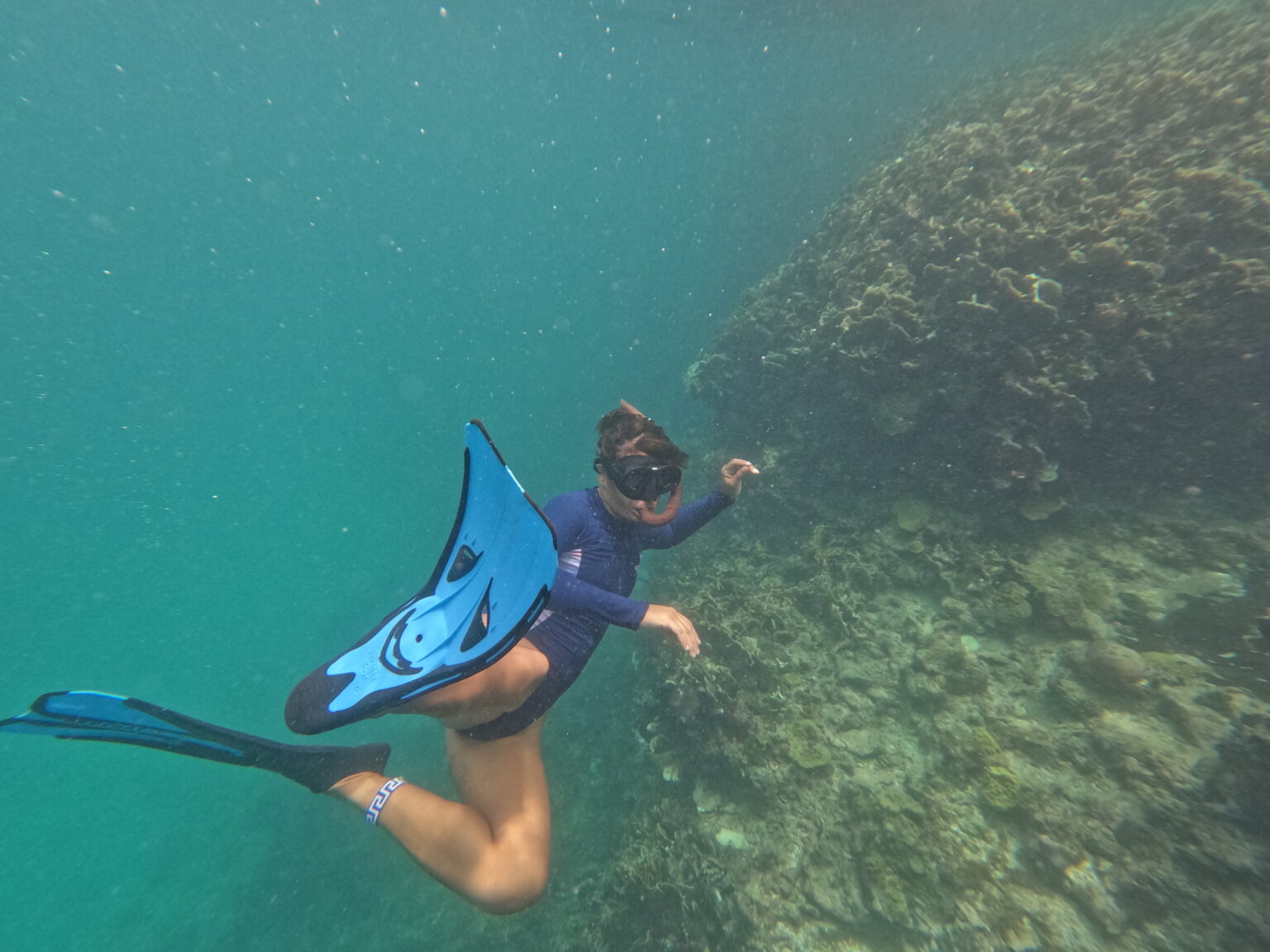
San Blas Islands snorkeling is consistently ranked among the best in the Caribbean, and for good reason. The archipelago’s protected status, minimal boat traffic, and largely intact coral reefs create water visibility of 20–30 meters on a good day. Whether you’re snorkeling for the first time or are an experienced diver who has explored reefs around the world, San Blas delivers an underwater experience that stays with you long after you leave.
This guide covers the best snorkeling spots in the archipelago, what marine life you can expect to encounter, the best time to go, and exactly what gear to bring. Good news on gear: Most AMPA charters and island overnight stays already include snorkeling masks and fins. Some more remote islands may offer gear rental separately. Confirm with your booking what is provided before packing.
Why San Blas Islands Snorkeling Is Among the Best in the Caribbean
Several factors combine to make San Blas exceptional for snorkeling:
- Protected Guna Yala territory: The entire San Blas archipelago is autonomous indigenous territory governed by the Guna people. Commercial development, mass tourism, and industrial fishing are severely restricted, meaning the reefs have remained largely intact while comparable Caribbean reefs have been degraded.
- Exceptional water clarity: Low freshwater runoff, minimal boat traffic, and the absence of heavy coastal development mean visibility is frequently 20–30 meters in the outer islands. On calm mornings, you can see the reef from the surface before you even put your mask on.
- Shallow, accessible reef systems: Many of San Blas’ best reefs sit at just 3–8 meters depth, making them ideal for snorkelers. You do not need to be a scuba diver to see extraordinary marine life here.
- Minimal crowds: Unlike heavily visited Caribbean destinations, visitor numbers in San Blas are controlled. You will regularly find world-class snorkeling spots completely to yourself.
That protection is a deliberate policy, not an accident of geography. Our guide to Guna Yala culture explains who makes those rules and why the reefs have survived.
Is there scuba diving in San Blas?
No. There is no scuba diving in San Blas: the Guna Yala islands are a snorkeling destination. That suits the water here, because many of the best reefs sit just 3 to 8 metres down, easy to see with a mask and fins. Every private charter carries snorkel gear.
Best San Blas Islands Snorkeling Spots
The Outer Eastern Islands
The remote outer eastern islands, accessible only on extended sailing trips, offer the finest snorkeling in the entire archipelago. The reefs here are essentially untouched, with dense coral gardens, nurse sharks resting on sandy bottoms, eagle rays, hawksbill turtles, and schools of tropical fish in extraordinary numbers. These spots are accessed on 5-plus day tours or private charters that venture beyond the more frequently visited western zone. If pristine snorkeling is your priority, specify this when booking your trip.
Isla Perro (Dog Island)
Isla Perro is famous throughout San Blas for a sunken ship sitting in shallow water just offshore, a small wreck at 4–6 meters depth that is completely encrusted in coral and surrounded by fish. Snorkelers can comfortably reach and explore the wreck without diving equipment. The surrounding reef is also excellent, with healthy staghorn and brain corals, parrotfish, sergeant majors, and French angelfish. This is one of the most-visited snorkeling sites in San Blas; aim to arrive early morning before group tours arrive for the best conditions.
Río Sidra Reef Area
The reef systems around Río Sidra offer excellent diversity, from shallow patch reefs ideal for beginners to deeper sections with larger fish species. This area is a common overnight anchorage for multi-day tours and gives you the option to snorkel at dawn, when fish are most active and the water is glassiest.
Cayos Holandeses (Dutch Keys)
The Cayos Holandeses are a remote cluster in the eastern archipelago, accessible on longer private charters. The reefs here are among the most pristine in Panama, with minimal human impact. Expect outstanding coral cover, resident hawksbill turtles, large grouper, and occasional large pelagic species. For the ultimate San Blas islands snorkeling experience, these islands are unmatched.
Marine Life You Will Encounter
Fish
- Parrotfish, Abundant, colorful, and fascinating. Their beak-like mouths graze coral and help produce the white sand beaches you’ll be relaxing on.
- Sergeant majors, Small striped fish that school in enormous numbers around reef edges and under overhangs.
- Angelfish (French, Queen, Gray), Among the most striking fish in the Caribbean, commonly seen at 3–8 meters in San Blas.
- Trumpetfish, Long, pipe-shaped fish that hover vertically in the water column, often camouflaged against coral branches.
- Barracuda, Frequently seen near reef drop-offs. They look intimidating but pose no danger to snorkelers.
- Pufferfish and boxfish, Slow-moving, curious creatures often encountered on sandy bottoms near reef edges.
- Moray eels, Look carefully into crevices and coral overhangs. Green morays are common at San Blas reefs.
Rays and Sharks
- Nurse sharks, Resting motionless under coral overhangs on sandy bottoms. Common in San Blas, completely harmless, and spectacular to approach slowly.
- Southern stingrays, Graceful and large, often seen gliding over sandy patches between reefs in the shallows.
- Eagle rays, Spotted in deeper water along reef edges, especially in the outer islands. Getting close to a cruising eagle ray is one of the highlights of San Blas snorkeling.
Sea Turtles
- Hawksbill sea turtles, The most commonly encountered turtle species in San Blas. Often seen feeding on sponges at the reef surface. Slow, unhurried, and apparently unbothered by respectful snorkelers.
- Green sea turtles, Less common but present, particularly in the outer islands. San Blas hosts nesting beaches used by green turtles.
Coral and Invertebrates
San Blas reefs feature brain coral, elkhorn coral, staghorn coral, star coral, enormous sea fans, sponges in every color, Christmas tree worms, flamingo tongue snails, and dense populations of sea urchins on the reef floor. The diversity and density of invertebrate life reflects the protected status of the territory.
What to Bring for San Blas Islands Snorkeling
Most tours provide basic snorkeling equipment, but quality varies. Bringing your own gear is strongly recommended.
- Well-fitted snorkel mask, The single most important item. A mask that leaks or fogs ruins the experience. Test it at home before travel.
- Dry-top snorkel, Prevents water from entering the tube when waves wash over it.
- Fins, Your own fins fit correctly and allow efficient movement across large reef areas. Open-heel fins are versatile.
- Reef-safe sunscreen SPF 50+, Applied before entering the water to protect exposed skin during long sessions.
- Rash guard, Protects shoulders and upper back from sun exposure and minor jellyfish contact during extended snorkeling sessions.
- Underwater camera or GoPro, The reefs in San Blas deserve to be documented. Bring a wrist mount or head strap for hands-free filming.
For our complete trip preparation guide, including everything beyond snorkeling gear, see our San Blas Islands Packing List.
Best Time of Year for Snorkeling in San Blas
Optimal conditions: December through April (dry season). Trade winds are steady but manageable, seas are calmer, and visibility is at its best, often 25–30 meters in the outer islands. This is peak tourist season, so expect higher prices and more boat traffic at popular sites.
Still excellent: May through July. Early rainy season brings occasional afternoon showers but mornings are typically perfect. Fewer visitors means more exclusive access to reefs that are genuinely world-class.
More variable: August through November. Peak rainy season can reduce visibility due to freshwater runoff, and Caribbean swells can make open-ocean crossings rougher. Travel is still possible but conditions are less predictable.
Best time of day: Early morning (7–10am) consistently delivers the best visibility, calmest surface conditions, and most active fish behavior. Many experienced snorkelers do their most productive sessions before the midday wind builds.
Snorkeling Safety in San Blas
- Never touch the coral. Even light contact breaks coral polyps that took decades to grow. Maintain neutral buoyancy and keep your fins clear of the reef at all times.
- Watch for boat traffic. Stay within swimming areas indicated by your guide. In open water, use a surface marker buoy, your operator will have these.
- Respect sea urchins. Black spiny sea urchins are common on San Blas reefs. Their spines penetrate skin easily. Wear fins or water shoes when entering the water over rocky or reef areas.
- Snorkel with a guide in unfamiliar areas. The outer islands involve navigating through reef passages and open water. Always stay close to your guide in areas you don’t know.
Plan a Snorkeling-Focused San Blas Charter
If world-class snorkeling is the priority for your Panama trip, the key is getting to the right islands. At Amazing Panama Tours, our private charters let you build an itinerary entirely around the best snorkeling spots, spending real time at productive outer reefs rather than the crowded sites near the more accessible islands. Our guides know every reef in the archipelago.
Plan Your Private Snorkeling Charter →
Questions about snorkeling conditions, marine life, or which islands to prioritize? Contact our team, we’ll help you build the right itinerary for the best possible underwater experience.
Best Snorkeling Spots in San Blas
| Spot | Depth | Highlights | Difficulty | Access |
|---|---|---|---|---|
| Isla Perro (Dog Island) | 1-5m | Sunken boat, reef fish, starfish | Beginner | Day tour + charter |
| Cayos Holandeses | 2-10m | Pristine coral, sea turtles | Intermediate | Charter or island stay |
| Isla Pelicano | 1-4m | Shallow reef, tropical fish | Beginner | Day tour + charter |
| Wreck Reef (near Carti) | 3-8m | Coral-covered wreck, nurse sharks | Intermediate | Charter recommended |
| BBQ Island Reef | 1-3m | Starfish, rays, easy access | Beginner | Day tour + charter |
Visibility: 10-20m in dry season (Dec-Apr), 5-10m in rainy season. All AMPA Tours trips include snorkeling equipment at no extra cost.
Plan your trip
Private catamaran with snorkeling gear included. Visit the best reefs in San Blas.
Replies within 2 hours (Panama hours) · Local team, book direct · Rated 5.0★ by past guests
Good to know
Frequently asked questions
Is San Blas good for snorkeling?
San Blas offers excellent snorkeling with coral reefs, tropical fish, starfish, and sea turtles. Visibility ranges from 10 to 20 meters depending on season. The best snorkeling is during dry season (December to April) when waters are calmest.
Do I need to bring my own snorkel gear to San Blas?
Not on a charter: every charter includes snorkel masks and fins. On the Full Day tour, masks and fins are rented on the island, or you can bring your own. If you bring your own gear, pack it in a dry bag.
Where are the best snorkeling spots in San Blas?
The best snorkeling spots include the coral reefs near Isla Perro (Dog Island), the shallow reefs around the Cayos Holandeses (Dutch Cays), and the waters near Isla Pelicano. AMPA Tours captains know all the best spots.
Can beginners snorkel in San Blas?
Yes, San Blas is ideal for beginners. Many reefs are in shallow, calm water (1 to 3 meters deep) with no currents. Life jackets are available, and AMPA Tours crew members can guide first-time snorkelers.